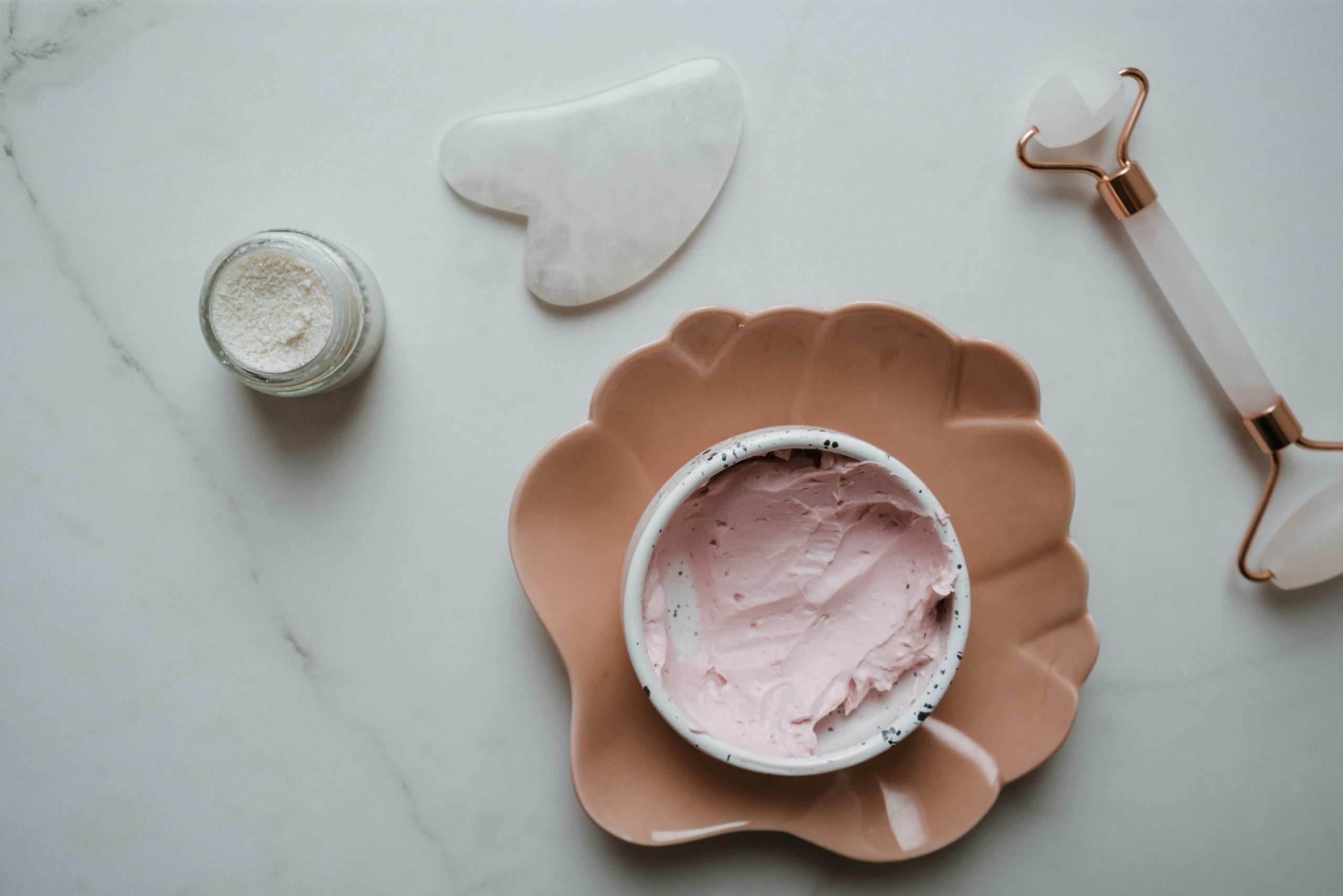
If you’re someone who’s always on the go, you probably don’t have a lot of time to devote to a lengthy skincare routine. That’s where a minimalist skincare routine comes in. This type of routine is all about keeping things simple and streamlined, so you can take care of your skin without spending hours in front of the mirror.
The idea behind a minimalist skincare routine is to focus on the essentials and avoid unnecessary steps and products. By doing so, you can save time and money while still taking good care of your skin. A minimalist routine typically includes just a few key steps, such as cleansing, moisturizing, and protecting your skin from the sun.
While a minimalist skincare routine may not be for everyone, it can be a great option for those who want to simplify their beauty routine or who are dealing with sensitive skin. By using only a few carefully chosen products, you can help reduce the risk of irritation and breakouts. Plus, with fewer products to keep track of, you can spend less time stressing about your skincare routine and more time enjoying your day.
Essentials of Minimalist Skincare
When it comes to minimalist skincare, less is more. A simple routine with a few key products can be just as effective as a complex one. In this section, we’ll cover the three essential steps of a minimalist skincare routine: cleansing, moisturizing, and sun protection.
Cleansing
Cleansing is the foundation of any good skincare routine. It removes dirt, oil, and makeup, and prepares your skin for the rest of your routine. When choosing a cleanser, look for one that is gentle and non-stripping. Avoid products that contain harsh ingredients like sulfates or alcohol, as they can dry out your skin and cause irritation.
Some popular minimalist cleansers include:
- CeraVe Hydrating Facial Cleanser
- La Roche-Posay Toleriane Hydrating Gentle Cleanser
- Neutrogena Ultra Gentle Hydrating Cleanser
Moisturizing
Moisturizing is essential for keeping your skin hydrated and healthy. Even if you have oily skin, you still need to moisturize to prevent dehydration. Look for a moisturizer that is lightweight and non-greasy, and that contains ingredients like hyaluronic acid or ceramides to help lock in moisture.
Some popular minimalist moisturizers include:
- Cetaphil Daily Hydrating Lotion
- The Ordinary Natural Moisturizing Factors + HA
- Clinique Dramatically Different Moisturizing Gel
Sun Protection
Sunscreen is one of the most important steps in any skincare routine, minimalist or not. UV rays can cause premature aging, dark spots, and even skin cancer, so it’s important to protect your skin every day. Look for a broad-spectrum sunscreen with an SPF of at least 30, and apply it as the last step in your routine.
Some popular minimalist sunscreens include:
- EltaMD UV Clear Broad-Spectrum SPF 46
- La Roche-Posay Anthelios Ultra-Light Fluid SPF 60
- Supergoop! Unseen Sunscreen SPF 40
Additional Considerations
When it comes to minimalist skincare routines, there are a few additional considerations to keep in mind. In this section, we’ll cover exfoliation, serums, and treatments.
Exfoliation
Exfoliation is an important step in any skincare routine, as it helps to remove dead skin cells and reveal brighter, smoother skin. However, it’s important not to overdo it, as too much exfoliation can actually damage your skin.
If you have dry or sensitive skin, you may want to limit your exfoliation to once a week. If you have oily or acne-prone skin, you may be able to exfoliate more frequently, but be sure to listen to your skin and adjust your routine accordingly.
When choosing an exfoliator, look for one that is gentle and non-abrasive. Chemical exfoliants, such as alpha-hydroxy acids (AHAs) and beta-hydroxy acids (BHAs), can be a good option for many skin types. Just be sure to follow the instructions carefully and start with a lower concentration to avoid irritation.
Serums and Treatments
While a minimalist skincare routine may only include a few basic products, you may still want to incorporate a serum or treatment to address specific skin concerns. For example, if you have dark spots or hyperpigmentation, a vitamin C serum can help to brighten and even out your skin tone.
When choosing a serum or treatment, look for one that targets your specific concern and is compatible with your skin type. It’s also important to use these products as directed and give them time to work – don’t expect overnight results!
Remember, the key to a successful minimalist skincare routine is to keep it simple and stick to the basics. By following a few simple steps and being consistent with your routine, you can achieve healthy, glowing skin without a lot of fuss.
Routine Customization
When it comes to a minimalist skincare routine, customization is key. Everyone’s skin is unique, and therefore, requires different levels of care. Here are some tips on how to customize your minimalist skincare routine to fit your skin’s specific needs.
Skin Types
The first step in customizing your minimalist skincare routine is to determine your skin type. This will help you choose the right products for your skin and avoid using products that may cause irritation or breakouts. Here are the four main skin types and their characteristics:
- Normal skin: This skin type is well-balanced with no excessive dryness or oiliness. It has a smooth texture and is not prone to breakouts.
- Dry skin: This skin type lacks moisture and can feel tight and flaky. It is prone to fine lines and wrinkles.
- Oily skin: This skin type produces excess oil, which can lead to clogged pores and breakouts. It has a shiny appearance and can feel greasy.
- Combination skin: This skin type is a combination of oily and dry skin. It is usually oily in the T-zone (forehead, nose, and chin) and dry on the cheeks.
Once you have determined your skin type, you can choose the right products for your minimalist skincare routine.
Seasonal Adjustments
Your skin’s needs can change with the seasons, so it’s important to adjust your minimalist skincare routine accordingly. Here are some tips on how to adjust your routine for different seasons:
- Winter: In the winter, the air is dry, which can lead to dry and flaky skin. To combat this, use a heavier moisturizer and a hydrating serum to lock in moisture. You can also use a gentle exfoliator to remove dead skin cells and reveal brighter, smoother skin.
- Spring: In the spring, your skin may be recovering from the dryness of winter. To help your skin transition, use a lighter moisturizer and a gentle cleanser to remove any excess oil and dirt.
- Summer: In the summer, your skin may produce more oil due to the heat and humidity. Use a lightweight moisturizer and a gentle cleanser to keep your skin clean and hydrated.
- Fall: In the fall, the air becomes drier again, which can lead to dry and flaky skin. Use a heavier moisturizer and a hydrating serum to lock in moisture and protect your skin from the cold weather.
By customizing your minimalist skincare routine based on your skin type and the season, you can ensure that your skin is getting the care it needs without using unnecessary products.
Sustainable Practices
When building a minimalist skincare routine, it’s important to consider sustainable practices. Here are two areas to focus on:
Eco-Friendly Packaging
One way to make your skincare routine more sustainable is by choosing products with eco-friendly packaging. Look for brands that use recycled materials or biodegradable packaging. For example, some brands use glass or metal containers that can be reused or recycled. Others use packaging made from plant-based materials that will decompose naturally.
Natural Ingredients
Another way to make your skincare routine more sustainable is by choosing products with natural ingredients. Look for brands that use organic, plant-based ingredients instead of synthetic chemicals. These products are often better for your skin and the environment. Plus, they come in recyclable packaging and are often produced in a more environmentally friendly way.
By choosing products with eco-friendly packaging and natural ingredients, you can make your skincare routine more sustainable. Not only will you be doing your part for the environment, but you’ll also be taking care of your skin in a friendly way.