Lifestyle

Gratitude Ideas
Lifestyle

30 Days of Gratitude Ideas: Cultivate a Positive Mindset

If you’re looking for a way to cultivate more positivity in your life, a 30-day gratitude challenge could be just what you need. Practicing gratitude has been shown to have a range of benefits, from improving mental health to increasing happiness and life satisfaction. By taking the time to focus on what you’re thankful for each day, you can train your brain to look for the good in every situation. There are many different ways to approach a 30-day gratitude challenge, so you can choose the one that works best for you. Some people like to keep a gratitude journal, writing down three things they’re thankful for each day. Others prefer to share their gratitude with others, sending a text or email to someone they appreciate. You could even start a gratitude jar, where you write down something you’re thankful for on a slip of paper each day and read them all at the end of the month. The key is to find a method that resonates with you and make it a daily habit. The Basics of Gratitude Understanding Gratitude Gratitude is a powerful emotion that can have a positive impact on your mental and physical health. It is the act of feeling thankful for the good things in your life, and it can be expressed in many ways, including saying thank you, writing a thank-you note, or simply feeling appreciation in your heart. Benefits of Practicing Gratitude Practicing gratitude has numerous benefits, including reducing stress, improving sleep quality, and boosting overall happiness. Studies have shown that people who practice gratitude regularly have stronger immune systems, lower blood pressure, and are more resilient in the face of challenges. One way to practice gratitude is to keep a gratitude journal. This involves writing down three things you are grateful for each day. Another way is to express gratitude to others by saying thank you or writing a thank-you note. You can also incorporate gratitude into your daily routine by taking a few moments each day to reflect on the good things in your life. Overall, practicing gratitude is a simple yet powerful way to improve your well-being and lead a happier, more fulfilling life. Personal Gratitude Ideas If you’re looking for ways to incorporate gratitude into your daily routine, there are several simple and effective practices you can try. Here are a few personal gratitude ideas to get you started: Daily Affirmations One way to cultivate a grateful mindset is by practicing daily affirmations. These are positive statements that you repeat to yourself each day to help shift your focus towards the good in your life. You can create your own affirmations or use pre-made ones such as “I am grateful for all the love and support in my life” or “I am thankful for the opportunities that come my way.” Write them down on sticky notes and place them where you can see them throughout the day. Gratitude Journaling Another effective way to practice gratitude is by keeping a gratitude journal. Each day, write down three things you’re grateful for. This can be as simple as a warm cup of coffee or as profound as a meaningful conversation with a loved one. By focusing on the positive aspects of your life, you’ll begin to shift your perspective and notice more things to be grateful for. Mindfulness and Reflection Finally, practicing mindfulness and reflection can help you cultivate a deeper sense of gratitude. Take a few minutes each day to sit in silence and reflect on the good things in your life. You can also practice mindfulness by paying attention to your senses and fully experiencing the present moment. This can help you appreciate the beauty and wonder of the world around you. Incorporating these personal gratitude ideas into your daily routine can help you cultivate a more positive and grateful mindset. Try one or all of these practices and see how they can transform your outlook on life. Creative Expressions of Gratitude Gratitude can be expressed in many creative ways. Here are some ideas to inspire you: Gratitude Through Art Art is a beautiful way to express gratitude. You can create a painting, drawing, or sculpture that represents something you are grateful for. You can also create a gratitude collage by cutting out pictures and words from magazines and arranging them on a poster board. Hang your art in a prominent place where you can see it every day and be reminded of the things you are grateful for. Crafting Thank You Notes A handwritten thank you note is a heartfelt way to express gratitude. Take the time to write a note to someone who has done something kind for you. Be specific about what you are grateful for and how their kindness has impacted you. You can also create your own thank you cards by using craft supplies like cardstock, markers, and stickers. Sharing Stories of Appreciation Sharing stories of appreciation is a powerful way to express gratitude. Take the time to tell someone how much you appreciate them and share a specific story of something they did that made a difference in your life. You can also share your story on social media or in a blog post to inspire others to express gratitude. These are just a few ideas for creative expressions of gratitude. Remember, expressing gratitude is a habit that takes practice. The more you practice, the easier it becomes to see the good in your life and appreciate the people around you. Community and Relationships When it comes to gratitude, community and relationships are some of the most important aspects of our lives. Taking time to appreciate the people around us can help us feel more connected and fulfilled. Here are some ideas for showing gratitude in your community and relationships: Family Gratitude Activities Your family is likely one of the most important parts of your life. Taking time to show gratitude to your loved ones can help strengthen your relationships and create
Lifestyle

Best Crystals for Gratitude: Enhance Your Thankfulness with These Powerful Gems

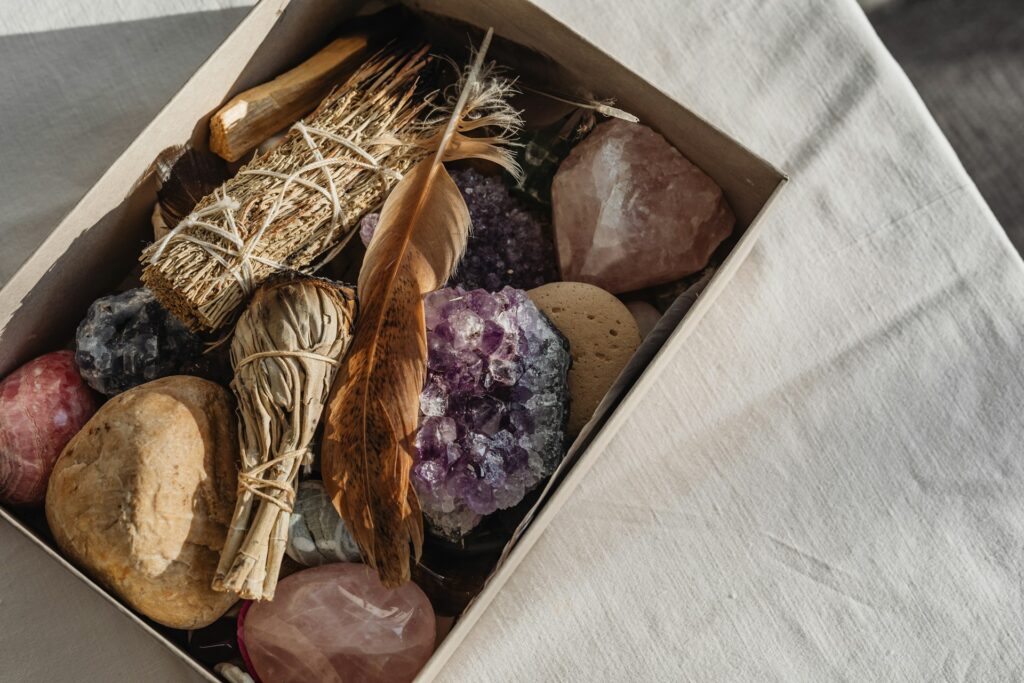
If you’re looking for a way to cultivate a more thankful mindset, you might consider incorporating crystals into your daily routine. Crystals have been used for centuries to promote healing, balance, and positivity, and there are many different types of crystals that can help you feel more grateful for the good things in your life. Some of the best crystals for gratitude include rose quartz, green aventurine, and citrine. Rose quartz is known as the stone of unconditional love, and it can help you see the world with more love and compassion. Green aventurine is believed to inspire a thankful heart and an abundant mindset, while citrine is said to promote emotional balance, clarity, and focus. These are just a few examples of the many different crystals that can help you feel more grateful and appreciative of the world around you. Whether you’re new to the world of crystals or you’re a seasoned practitioner, incorporating gratitude crystals into your daily routine can be a powerful way to cultivate a more positive outlook on life. From rose quartz to citrine, there are many different types of crystals that can help you feel more thankful for the blessings in your life. So why not give them a try and see how they can help you cultivate a more grateful mindset? Understanding Gratitude and Crystals The Concept of Gratitude Gratitude is a positive emotion that involves acknowledging and appreciating the good things in life. It is the act of being thankful for what you have, rather than focusing on what you lack. Practicing gratitude has been linked to numerous health benefits, including improved mental health, better sleep, and reduced stress levels. How Crystals Can Enhance Gratitude Crystals are believed to have healing properties and can be used to enhance various aspects of life, including gratitude. Each crystal has unique energy and can help you connect with different emotions and intentions. By using crystals, you can amplify your feelings of gratitude and attract more positivity into your life. Here are some of the best crystals for gratitude: Crystal Properties Citrine Known as the “stone of abundance,” citrine is believed to attract wealth, success, and happiness. It is also said to promote a positive outlook and enhance creativity. Rose Quartz The “stone of unconditional love,” rose quartz is believed to promote feelings of compassion, forgiveness, and gratitude. It is also said to help heal emotional wounds and promote self-love. Amethyst Amethyst is known for its calming properties and is believed to help reduce stress and anxiety. It is also said to promote emotional balance, clarity, and focus, making it an excellent crystal for enhancing gratitude. Green Aventurine Green aventurine is believed to inspire a full heart and a thankful mindset. It is said to shift you out of your head full of worries, doubt, and criticism, into your heart full of possibilities. By incorporating these crystals into your daily routine, you can enhance your feelings of gratitude and attract more positivity into your life. Whether you wear them as jewelry, carry them in your pocket, or place them around your home, these crystals can be a powerful tool for cultivating gratitude. Top Crystals for Fostering Gratitude If you’re looking for crystals to help you cultivate a grateful mindset, you’re in luck! There are many crystals that can help you focus on the positive aspects of your life and promote feelings of thankfulness. Here are some of the best crystals for gratitude: Rose Quartz Rose Quartz is known as the stone of unconditional love and is a popular choice for those looking to cultivate gratitude. This crystal can help you see the world with more compassion and love. It reminds you that every day is an opportunity to be thankful for the relationships in your life. Rose Quartz is a gentle reminder that love is abundant and can help you foster an everlasting gratitude for the simple abundance of being loved and the capacity to love in return. Citrine Citrine is a bright and sunny crystal that is often associated with abundance and prosperity. It is also a great crystal for gratitude. Citrine can help you focus on the positive aspects of your life and foster feelings of thankfulness. It is also known to help attract positive energy and good fortune into your life. By keeping Citrine close, you can cultivate a mindset of abundance and gratitude. Amethyst Amethyst is a popular crystal that is often associated with spiritual growth and healing. It is also a great crystal for gratitude. Amethyst can help you see the beauty and abundance in your life and remind you to be thankful for all that you have. It is also known to help calm the mind and reduce stress, which can help you focus on the positive aspects of your life. Clear Quartz Clear Quartz is often regarded as a master healer and amplifier of energies. It is also a valuable asset in cultivating gratitude. Its purifying properties help clear mental clutter, making space for positive emotions to thrive. By enhancing clarity of thought, Clear Quartz allows you to focus on the aspects of life that inspire gratitude. Green Aventurine Green Aventurine is a crystal that is often associated with luck and prosperity. It is also a great crystal for gratitude. Green Aventurine can help you focus on the abundance in your life and foster feelings of thankfulness. It is also known to help attract positive energy and good fortune into your life. By keeping Green Aventurine close, you can cultivate a mindset of abundance and gratitude. In summary, there are many crystals that can help you cultivate gratitude in your life. Whether you choose Rose Quartz, Citrine, Amethyst, Clear Quartz, or Green Aventurine, these crystals can help you focus on the positive aspects of your life and remind you to be thankful for all that you have. Incorporating Crystals into Daily Life If you want to cultivate an attitude of gratitude, incorporating crystals into your daily life can

Lifestyle

Natural Lifestyle Tips: Simple Ways to Live a Healthier Life

If you’re looking to live a more natural lifestyle, you’re not alone. Many people are turning to natural living as a way to improve their health, reduce their environmental impact, and live more simply. But where do you start? One of the easiest ways to begin living a more natural lifestyle is to focus on your diet. Eating whole, unprocessed foods is a great way to improve your health and reduce your environmental impact. Try to incorporate more fruits, vegetables, and whole grains into your diet, and limit your consumption of processed foods and sugary drinks. You can also look for locally grown and organic produce to reduce your exposure to pesticides and support local farmers. Another way to live a more natural lifestyle is to reduce your use of chemicals in your home and personal care products. Many common household cleaners and personal care products contain harsh chemicals that can be harmful to your health and the environment. Look for natural alternatives or make your own using simple ingredients like baking soda, vinegar, and essential oils. You can also reduce your use of plastic by using reusable containers and bags, and opting for natural fibers like cotton and linen. Embracing Whole Foods When it comes to living a natural lifestyle, one of the most important things you can do is to embrace whole foods. Whole foods are foods that are minimally processed and contain no added chemicals or preservatives. Here are some tips to help you incorporate more whole foods into your diet. Choosing Organic Produce One way to ensure that you are eating whole foods is to choose organic produce. Organic produce is grown without the use of synthetic pesticides and fertilizers, so it is free from harmful chemicals. When you choose organic produce, you can be sure that you are getting the most natural and nutritious fruits and vegetables available. To make sure you are getting the most out of your organic produce, try to eat a variety of colors. Different colors of fruits and vegetables contain different nutrients, so by eating a variety of colors, you can ensure that you are getting a wide range of nutrients. For example, red fruits and vegetables are often rich in antioxidants, while green leafy vegetables are high in iron and calcium. Incorporating Plant-Based Options Another way to embrace whole foods is to incorporate more plant-based options into your diet. Plant-based foods are often less processed and contain more nutrients than animal-based foods. They are also often more sustainable and better for the environment. To incorporate more plant-based options into your diet, try swapping out meat for beans or tofu in your favorite dishes. You can also try adding more vegetables to your meals, such as by making a stir-fry or adding roasted vegetables to your pasta dishes. By embracing whole foods and incorporating more organic produce and plant-based options into your diet, you can improve your health and well-being while also doing your part to protect the environment. Reducing Environmental Impact Living a natural lifestyle includes taking steps to reduce your environmental impact. Here are some tips to help you minimize your plastic use, conserve water and energy. Minimizing Plastic Use One of the biggest threats to our environment is plastic waste. By reducing your plastic use, you can help protect the planet. Here are some ways to minimize your plastic use: By making these small changes, you can significantly reduce the amount of plastic waste you produce. Conserving Water and Energy Conserving water and energy is another way to reduce your environmental impact. Here are some tips to help you conserve: By conserving water and energy, you can help reduce your carbon footprint and protect the environment. Remember, every small step you take towards reducing your environmental impact can make a difference. Enhancing Physical Activity If you’re looking to lead a more natural lifestyle, incorporating physical activity into your daily routine is a great way to start. Not only does it help keep your body healthy, but it can also improve your mood, reduce stress, and boost your energy levels. Here are some tips to enhance your physical activity: Incorporating Daily Exercise Making exercise a part of your daily routine can be challenging, but it’s essential for maintaining a healthy lifestyle. To make it easier, try incorporating exercise into your daily activities. For example, you can take the stairs instead of the elevator, walk or bike to work, or go for a walk during your lunch break. You can also try doing simple exercises at home, such as push-ups, squats, and lunges. By incorporating physical activity into your daily routine, you’ll be more likely to stick to it and reap the benefits. Outdoor Activities and Nature Spending time in nature is a great way to enhance physical activity and improve your overall well-being. Outdoor activities such as hiking, biking, and swimming not only provide a great workout but also allow you to enjoy the beauty of nature. Research has shown that spending time in nature can reduce stress, improve mood, and boost cognitive function. So, next time you’re looking for a way to enhance physical activity, consider taking a hike or going for a swim in a nearby lake or river. In conclusion, enhancing physical activity is an excellent way to lead a more natural lifestyle. By incorporating daily exercise and spending time in nature, you’ll not only improve your physical health but also your mental well-being. So, get out there and start moving! Mindfulness and Wellbeing Living a natural lifestyle means taking care of your body and mind. Mindfulness is a great way to improve your overall wellbeing. Here are some tips to help you reduce stress and prioritize sleep. Stress Reduction Techniques Stress can have a negative impact on your physical and mental health. Mindfulness techniques can help you reduce stress and improve your overall wellbeing. Here are some techniques you can try: Prioritizing Sleep Getting enough sleep is important for your overall health and

Lifestyle

Slow Living for a Happier Life: Embracing a Simpler Lifestyle

Are you feeling overwhelmed by the fast-paced lifestyle that is so common in today’s society? Do you find yourself constantly rushing from one task to the next without taking a moment to breathe? If so, you may benefit from the concept of slow living. Slow living is a lifestyle that emphasizes taking things at a slower pace and savoring the present moment. It is about being intentional with your time and focusing on what truly matters in life. By slowing down, you can reduce stress, increase mindfulness, and improve your overall well-being. In this article, we will explore the concept of slow living and how it can lead to a happier and more fulfilling life. We will provide practical tips and strategies for incorporating slow living into your daily routine, as well as dispel common myths and misconceptions about this lifestyle. Whether you are looking to reduce stress, improve your mental health, or simply enjoy life more fully, slow living may be the answer you have been searching for. Understanding Slow Living If you’re feeling overwhelmed by the fast-paced modern world, you may find solace in the philosophy of slow living. Slow living is a lifestyle that emphasizes a slower, more mindful approach to everyday life. It’s about taking the time to savor the simple pleasures of life and being present in the moment. The Philosophy of Slow Living Slow living is about more than just slowing down the pace of life. It’s a holistic approach to living that encompasses all aspects of life, from work to relationships to leisure time. At its core, slow living is about living intentionally and mindfully. It’s about making conscious choices that align with your values and priorities. One of the key tenets of slow living is simplicity. By simplifying your life, you can reduce stress and create more space for the things that truly matter. This might mean decluttering your home, reducing your commitments, or cutting back on screen time. Another important aspect of slow living is mindfulness. By being present in the moment and fully engaged in your experiences, you can cultivate a deeper sense of gratitude and appreciation for life. This might mean practicing meditation, spending time in nature, or simply taking a few deep breaths throughout the day. Historical Context The origins of slow living can be traced back to the slow food movement, which began in Italy in the 1980s as a response to the rise of fast food. Slow food is about celebrating local, seasonal, and sustainable food and taking the time to savor meals with friends and family. Since then, the slow movement has expanded to encompass other areas of life, including travel, fashion, and design. The slow living movement is a natural extension of this philosophy, emphasizing a slower, more intentional approach to everyday life. In a world that often values speed and efficiency over everything else, slow living offers a refreshing alternative. By embracing the principles of slow living, you can create a more fulfilling and meaningful life. Practical Steps to a Slower Lifestyle If you’re looking to adopt a slower lifestyle, there are a few practical steps you can take to get started. By implementing these techniques, you’ll be able to cultivate mindfulness, declutter your space, and manage your time more effectively. Mindfulness and Presence Mindfulness is all about being present in the moment and fully engaging with your surroundings. To cultivate mindfulness in your daily life, try the following techniques: Decluttering Your Space A cluttered environment can lead to stress and anxiety, so it’s important to keep your space organized and tidy. Try the following techniques to declutter your space: Time Management Techniques Effective time management is essential for a slower lifestyle. By managing your time well, you’ll be able to prioritize the things that matter most to you. Try the following techniques to manage your time more effectively: By implementing these practical steps, you’ll be well on your way to a slower, more intentional lifestyle. Remember, slow living is all about simplifying and slowing down your life so you can enjoy it more fully. Benefits of Slow Living Are you feeling stressed, overwhelmed, and disconnected from what really matters in life? Slow living might be just what you need to improve your mental health, strengthen your relationships, and live a more sustainable life. Improved Mental Health When you slow down and focus on the present moment, you can reduce stress and anxiety, and improve your overall mental health. According to Mindful Slow Life, slow living can enhance mindfulness and focus, allowing you to be fully present and aware of your thoughts. This can help you to reduce negative self-talk and increase your self-awareness, leading to a more positive outlook on life. Stronger Relationships In a fast-paced world, it’s easy to neglect our relationships with family and friends. Slow living encourages us to prioritize meaningful connections with loved ones. By slowing down and being present with others, we can deepen our relationships and build stronger bonds. As The Tiny Life notes, slow living encourages intentionality over busyness, allowing us to focus on what really matters in life. Sustainable Living Living a slow life can also have a positive impact on the environment. By consuming less and living more sustainably, we can reduce our carbon footprint and contribute to a healthier planet. As The Simplicity Habit explains, slow living encourages us to simplify and slow down our lives, allowing us to focus on what truly matters and reduce our impact on the environment. In summary, slow living can improve your mental health, strengthen your relationships, and contribute to a more sustainable world. By prioritizing mindfulness, intentionality, and sustainability, you can live a happier, more fulfilling life. Challenges and Misconceptions Slow living is often misunderstood and criticized. There are common pitfalls and misconceptions that may hinder you from embracing this lifestyle. However, by addressing these challenges, you can reap the benefits of slow living for a happier life. Common Pitfalls One common pitfall of

Lifestyle

Living Calm in a Busy World: Tips and Tricks for a Peaceful Life

Are you feeling overwhelmed with the constant demands of your busy life? Do you struggle to find moments of peace and calm amidst the chaos? You’re not alone. In today’s fast-paced world, it’s easy to become consumed by our never-ending to-do lists and the pressure to always be “on.” However, living in a constant state of stress and anxiety can take a toll on our mental and physical health. The good news is that there are ways to cultivate a sense of calm and tranquility, even in the midst of a busy life. By incorporating simple practices into your daily routine, you can learn to manage stress and anxiety, improve your focus and productivity, and enhance your overall well-being. From mindfulness meditation to breathwork, there are a variety of techniques that can help you find your inner calm and live a more peaceful life. So, if you’re ready to learn how to live calm in a busy world, keep reading. In this article, we’ll explore some of the most effective strategies for managing stress and cultivating a sense of inner peace. Whether you’re a busy professional, a student, or a stay-at-home parent, these tips can help you find balance and tranquility in your daily life. Understanding the Chaos Living in a busy world can be overwhelming and stressful. It’s easy to get swept away by the constant demands and distractions. But understanding the chaos is the first step towards embracing a more mindful way of living. Defining a Busy World A busy world is characterized by a fast-paced lifestyle, constant stimulation, and a never-ending to-do list. In a busy world, it’s common to feel rushed, stressed, and anxious. You may feel like you don’t have enough time to do everything you need to do, and you may find yourself constantly multitasking to keep up with the demands of your life. The Impact of Stress Stress is a natural response to the demands of life, but chronic stress can have a negative impact on your physical and mental health. Chronic stress can lead to a weakened immune system, high blood pressure, and an increased risk of heart disease. It can also lead to anxiety, depression, and other mental health issues. To live a calm and mindful life in a busy world, it’s important to understand the impact of stress on your body and mind. By recognizing the signs of stress, you can take steps to manage it and reduce its impact on your life. In the next section, we’ll explore some strategies for managing stress and living a more mindful life. Strategies for Calm Living in a busy world can be overwhelming, but there are strategies you can use to cultivate a sense of calm in your daily life. By incorporating mindfulness techniques, time management essentials, and creating a personal sanctuary, you can reduce stress and anxiety and increase your overall well-being. Mindfulness Techniques Mindfulness is the practice of being present in the moment and fully engaged with your surroundings. By focusing on the present, you can reduce stress and anxiety and increase your overall sense of well-being. Here are a few mindfulness techniques you can use to cultivate a sense of calm: Time Management Essentials Managing your time effectively can help reduce stress and increase your productivity. Here are a few time management essentials you can use to cultivate a sense of calm: Creating a Personal Sanctuary Creating a personal sanctuary can help you feel more relaxed and at ease in your daily life. Here are a few tips for creating a personal sanctuary: By incorporating these strategies into your daily life, you can cultivate a sense of calm and reduce stress and anxiety. Maintaining Balance Living in a busy world can be overwhelming and stressful. However, it is possible to maintain balance and live a calm life, even amidst the chaos. Here are some tips to help you maintain balance: Setting Boundaries One of the most important things you can do to maintain balance is to set boundaries. This means learning to say no when necessary, prioritizing self-care, and creating space for activities that nourish your mind, body, and soul. By setting boundaries, you can prevent burnout and create a more sustainable and fulfilling life. To set boundaries, start by identifying your priorities and values. What is most important to you? What activities or people drain your energy? Once you have a clear idea of your priorities, you can start saying no to things that don’t align with them. Remember, saying no is not selfish—it’s an act of self-care. The Role of Technology Technology can be both a blessing and a curse when it comes to maintaining balance. On one hand, it can help us stay connected, organized, and productive. On the other hand, it can be a major source of distraction and stress. To maintain balance in the digital age, it’s important to set boundaries around technology use. This might mean unplugging for a certain amount of time each day, turning off notifications, or setting limits on social media use. By taking control of your relationship with technology, you can create a more intentional and balanced life. Cultivating Long-Term Habits Living calm in a busy world requires consistent effort and long-term habits. Here are two key habits that can help you cultivate a sense of calm and peace in your daily life: Consistent Routines Creating consistent routines can help you feel more in control of your day and reduce stress levels. Start by establishing a morning routine that sets a positive tone for the rest of your day. This might include a few minutes of meditation, stretching, or journaling. You can also establish an evening routine that helps you wind down and prepare for a restful night’s sleep. This might include reading a book, taking a warm bath, or practicing relaxation techniques. In addition to daily routines, it can be helpful to establish weekly or monthly routines that help you stay organized and on track. This might

Scroll to Top