November 14, 2024

Skincare

Minimalist Skincare Routine: Simplify Your Beauty Regimen for Clearer Skin

If you’re someone who’s always on the go, you probably don’t have a lot of time to devote to a lengthy skincare routine. That’s where a minimalist skincare routine comes in. This type of routine is all about keeping things simple and streamlined, so you can take care of your skin without spending hours in front of the mirror. The idea behind a minimalist skincare routine is to focus on the essentials and avoid unnecessary steps and products. By doing so, you can save time and money while still taking good care of your skin. A minimalist routine typically includes just a few key steps, such as cleansing, moisturizing, and protecting your skin from the sun. While a minimalist skincare routine may not be for everyone, it can be a great option for those who want to simplify their beauty routine or who are dealing with sensitive skin. By using only a few carefully chosen products, you can help reduce the risk of irritation and breakouts. Plus, with fewer products to keep track of, you can spend less time stressing about your skincare routine and more time enjoying your day. Essentials of Minimalist Skincare When it comes to minimalist skincare, less is more. A simple routine with a few key products can be just as effective as a complex one. In this section, we’ll cover the three essential steps of a minimalist skincare routine: cleansing, moisturizing, and sun protection. Cleansing Cleansing is the foundation of any good skincare routine. It removes dirt, oil, and makeup, and prepares your skin for the rest of your routine. When choosing a cleanser, look for one that is gentle and non-stripping. Avoid products that contain harsh ingredients like sulfates or alcohol, as they can dry out your skin and cause irritation. Some popular minimalist cleansers include: Moisturizing Moisturizing is essential for keeping your skin hydrated and healthy. Even if you have oily skin, you still need to moisturize to prevent dehydration. Look for a moisturizer that is lightweight and non-greasy, and that contains ingredients like hyaluronic acid or ceramides to help lock in moisture. Some popular minimalist moisturizers include: Sun Protection Sunscreen is one of the most important steps in any skincare routine, minimalist or not. UV rays can cause premature aging, dark spots, and even skin cancer, so it’s important to protect your skin every day. Look for a broad-spectrum sunscreen with an SPF of at least 30, and apply it as the last step in your routine. Some popular minimalist sunscreens include: Additional Considerations When it comes to minimalist skincare routines, there are a few additional considerations to keep in mind. In this section, we’ll cover exfoliation, serums, and treatments. Exfoliation Exfoliation is an important step in any skincare routine, as it helps to remove dead skin cells and reveal brighter, smoother skin. However, it’s important not to overdo it, as too much exfoliation can actually damage your skin. If you have dry or sensitive skin, you may want to limit your exfoliation to once a week. If you have oily or acne-prone skin, you may be able to exfoliate more frequently, but be sure to listen to your skin and adjust your routine accordingly. When choosing an exfoliator, look for one that is gentle and non-abrasive. Chemical exfoliants, such as alpha-hydroxy acids (AHAs) and beta-hydroxy acids (BHAs), can be a good option for many skin types. Just be sure to follow the instructions carefully and start with a lower concentration to avoid irritation. Serums and Treatments While a minimalist skincare routine may only include a few basic products, you may still want to incorporate a serum or treatment to address specific skin concerns. For example, if you have dark spots or hyperpigmentation, a vitamin C serum can help to brighten and even out your skin tone. When choosing a serum or treatment, look for one that targets your specific concern and is compatible with your skin type. It’s also important to use these products as directed and give them time to work – don’t expect overnight results! Remember, the key to a successful minimalist skincare routine is to keep it simple and stick to the basics. By following a few simple steps and being consistent with your routine, you can achieve healthy, glowing skin without a lot of fuss. Routine Customization When it comes to a minimalist skincare routine, customization is key. Everyone’s skin is unique, and therefore, requires different levels of care. Here are some tips on how to customize your minimalist skincare routine to fit your skin’s specific needs. Skin Types The first step in customizing your minimalist skincare routine is to determine your skin type. This will help you choose the right products for your skin and avoid using products that may cause irritation or breakouts. Here are the four main skin types and their characteristics: Once you have determined your skin type, you can choose the right products for your minimalist skincare routine. Seasonal Adjustments Your skin’s needs can change with the seasons, so it’s important to adjust your minimalist skincare routine accordingly. Here are some tips on how to adjust your routine for different seasons: By customizing your minimalist skincare routine based on your skin type and the season, you can ensure that your skin is getting the care it needs without using unnecessary products. Sustainable Practices When building a minimalist skincare routine, it’s important to consider sustainable practices. Here are two areas to focus on: Eco-Friendly Packaging One way to make your skincare routine more sustainable is by choosing products with eco-friendly packaging. Look for brands that use recycled materials or biodegradable packaging. For example, some brands use glass or metal containers that can be reused or recycled. Others use packaging made from plant-based materials that will decompose naturally. Natural Ingredients Another way to make your skincare routine more sustainable is by choosing products with natural ingredients. Look for brands that use organic, plant-based ingredients instead of synthetic chemicals. These products are often better


Gratitude

12 Days of Gratitude: Cultivating Thankfulness in Your Daily Life

Are you looking for ways to cultivate gratitude in your life? If so, you may have heard of the “12 days of gratitude” practice. This practice involves intentionally focusing on gratitude for 12 consecutive days, often leading up to a holiday or special occasion. The idea is to take time each day to reflect on the things in your life that you are thankful for, and to express that gratitude in some way. Gratitude has been shown to have numerous benefits for mental and physical health, including reducing stress, improving sleep, and increasing feelings of happiness and well-being. By practicing gratitude regularly, you can train your brain to focus on the positive aspects of your life, rather than dwelling on the negative. The “12 days of gratitude” practice can be a helpful way to jumpstart a regular gratitude practice, or to deepen your existing practice. The Essence of Gratitude Gratitude is a powerful emotion that can transform your life. It is the act of being thankful and appreciative for the good things in your life, no matter how small they may be. By focusing on what you have rather than what you lack, you can cultivate a positive mindset that can help you overcome challenges and lead a more fulfilling life. Understanding Gratitude Gratitude is not just a feeling, it is a practice. It involves actively seeking out things to be thankful for and expressing appreciation for them. This can be as simple as taking a few moments each day to reflect on the good things in your life, or it can involve more intentional practices like keeping a gratitude journal or expressing thanks to others. Research has shown that practicing gratitude can have a number of benefits for your mental and physical health. It can improve your mood, reduce stress and anxiety, and even boost your immune system. By cultivating a sense of gratitude, you can increase your overall sense of well-being and happiness. The Power of Reflection One of the keys to cultivating gratitude is reflection. By taking the time to reflect on your life and the things you are thankful for, you can deepen your appreciation for them and increase your overall sense of gratitude. This can involve reflecting on the good things that have happened to you recently, or it can involve reflecting on the people and experiences that have shaped your life. Reflection can take many forms, from journaling to meditation to simply taking a few moments each day to think about what you are grateful for. Whatever form it takes, the act of reflecting on your life and expressing gratitude can help you cultivate a more positive mindset and lead a more fulfilling life. In summary, gratitude is a powerful emotion that can transform your life. By understanding gratitude and the power of reflection, you can cultivate a sense of appreciation for the good things in your life and increase your overall sense of well-being. Daily Gratitude Practices Practicing gratitude every day can help you feel more positive, reduce stress, and improve your overall well-being. Here are two effective gratitude practices that you can incorporate into your daily routine: Journaling and Sharing One of the most popular gratitude practices is journaling. Each day, take a few minutes to write down three things you are grateful for. It could be something as simple as a delicious meal or a kind gesture from a friend. Writing down what you’re grateful for can help you focus on the positive aspects of your life. Another way to practice gratitude is by sharing it with others. Take a moment to express your gratitude to someone in your life. It could be a family member, friend, or coworker. Let them know how much you appreciate them and what they bring to your life. Sharing your gratitude with others can help strengthen your relationships and build a sense of community. Mindfulness and Meditation Mindfulness and meditation are powerful tools for cultivating gratitude. Take a few minutes each day to sit quietly and focus on your breath. As you breathe in, think about something you are grateful for. As you breathe out, let go of any negative thoughts or feelings. You can also try a gratitude meditation. Close your eyes and bring to mind someone or something you are grateful for. Focus on that feeling of gratitude and let it fill your body. Stay with that feeling for a few minutes, then open your eyes. This simple practice can help you cultivate a sense of gratitude and appreciation for the good things in your life. Incorporating these daily gratitude practices into your routine can help you develop a more positive outlook on life and improve your overall well-being. Gratitude Through Actions Practicing gratitude doesn’t always have to be about expressing your gratitude through words. You can also show gratitude through actions that demonstrate your appreciation for others. Here are some ways you can practice gratitude through actions: Acts of Kindness Performing acts of kindness is a great way to show gratitude and appreciation for others. Small acts of kindness can go a long way in making someone’s day better. You can do things like holding the door open for someone, giving someone a compliment, or helping someone with a task they’re struggling with. These acts of kindness don’t have to be big or expensive, but they do have to come from a place of genuine gratitude and appreciation. Community Involvement Getting involved in your community is another great way to show gratitude and appreciation. By volunteering your time and skills to help others, you can make a positive impact on the world around you. You can volunteer at a local food bank, participate in a community clean-up event, or help out at a local charity. Not only will you be helping others, but you’ll also be building connections and relationships with your community. Remember, showing gratitude through actions is just as important as expressing your gratitude through words. By performing acts

Gratitude

3 Stages of Gratitude: Understanding, Appreciation, and Giving Back

If you’re looking to improve your mental and emotional well-being, practicing gratitude is a great place to start. Gratitude is the act of recognizing and appreciating the good things in your life, no matter how small they may seem. It’s an attitude of thankfulness that can help shift your focus from what’s going wrong to what’s going right. But did you know that there are actually three stages of gratitude? Each stage builds upon the last, helping you to cultivate a deeper sense of appreciation and contentment. In this article, we’ll explore these three stages and how you can experience each one to reap the benefits of gratitude. Whether you’re new to gratitude or a seasoned practitioner, understanding these stages can help you take your gratitude practice to the next level. So let’s dive in and discover the power of gratitude! Recognizing Gratitude Gratitude is the practice of recognizing and appreciating the good things in your life. The first stage of gratitude is recognizing the good things around you. This involves being aware of positivity and acknowledging goodness. Awareness of Positivity To recognize gratitude, you must first become aware of the positive things in your life. This can be challenging, especially if you are going through a difficult time. However, there are many things to be grateful for, even in tough times. For example, you might be grateful for your health, your family, your friends, or your job. You might also be grateful for the small things in life, such as a beautiful sunset or a delicious meal. To become more aware of positivity, try keeping a gratitude journal. Every day, write down three things you are grateful for. This will help you focus on the positive and become more aware of the good things in your life. Acknowledgment of Goodness Once you are aware of the positive things in your life, the next step is to acknowledge the goodness of these things. This involves recognizing the value and importance of the good things in your life. To acknowledge goodness, try expressing your gratitude to others. Tell your loved ones how much you appreciate them. Thank your coworkers for their hard work. By expressing your gratitude, you will not only acknowledge the goodness of the things in your life, but you will also spread positivity to others. In conclusion, recognizing gratitude involves becoming aware of positivity and acknowledging the goodness of the things in your life. By practicing gratitude, you can cultivate a more positive outlook on life and improve your overall well-being. Expressing Gratitude Expressing gratitude is a powerful way to cultivate a positive mindset and strengthen relationships. There are many ways to express gratitude, and here are three effective methods: Verbal Expression One of the simplest ways to express gratitude is through verbal communication. Saying “thank you” or “I appreciate you” can go a long way in making someone feel valued and appreciated. Whether it’s a coworker who helped you with a project or a friend who listened to you vent, taking the time to acknowledge their contribution can make a big difference. Acts of Kindness Another way to express gratitude is through acts of kindness. This can be as simple as bringing someone a cup of coffee or offering to help them with a task. Small gestures can have a big impact on someone’s day, and they also demonstrate that you value their presence in your life. Gratitude Journaling Writing down what you’re grateful for is a powerful way to cultivate a positive mindset and focus on the good in your life. Consider starting a gratitude journal where you write down three things you’re grateful for each day. This can be anything from a beautiful sunset to a supportive friend. By focusing on the positive, you can train your brain to look for the good in your life and develop a more optimistic outlook. Incorporating these three methods into your daily routine can help you cultivate a more grateful mindset and strengthen your relationships with others. Try incorporating one or more of these methods into your daily routine and see how it impacts your mood and relationships. Reflecting on Gratitude Gratitude is a powerful emotion that can help you lead a happier and more fulfilling life. Reflecting on gratitude can help you cultivate a sense of appreciation for the good things in your life, and can help you focus on the positive aspects of your experiences. Personal Growth Reflecting on gratitude can help you grow as a person. When you take the time to appreciate the good things in your life, you become more aware of the positive aspects of your experiences. This can help you develop a more positive outlook on life, which can lead to greater happiness and well-being. One way to reflect on gratitude is to keep a gratitude journal. In this journal, you can write down the things that you are grateful for each day. This can help you focus on the positive aspects of your life, and can help you develop a more positive attitude. Strengthening Relationships Reflecting on gratitude can also help you strengthen your relationships with others. When you take the time to appreciate the good things that others do for you, you become more aware of the positive aspects of your relationships. This can help you develop a greater sense of gratitude towards those around you, which can help you build stronger and more meaningful relationships. One way to reflect on gratitude in your relationships is to express your gratitude to others. You can do this by thanking them for the things that they do for you, or by simply telling them how much you appreciate them. This can help you build stronger and more meaningful relationships with those around you. In conclusion, reflecting on gratitude can help you grow as a person, and can help you build stronger and more meaningful relationships with others. By taking the time to appreciate the good things in your life, you

Lifestyle

Best Crystals for Gratitude: Enhance Your Thankfulness with These Powerful Gems

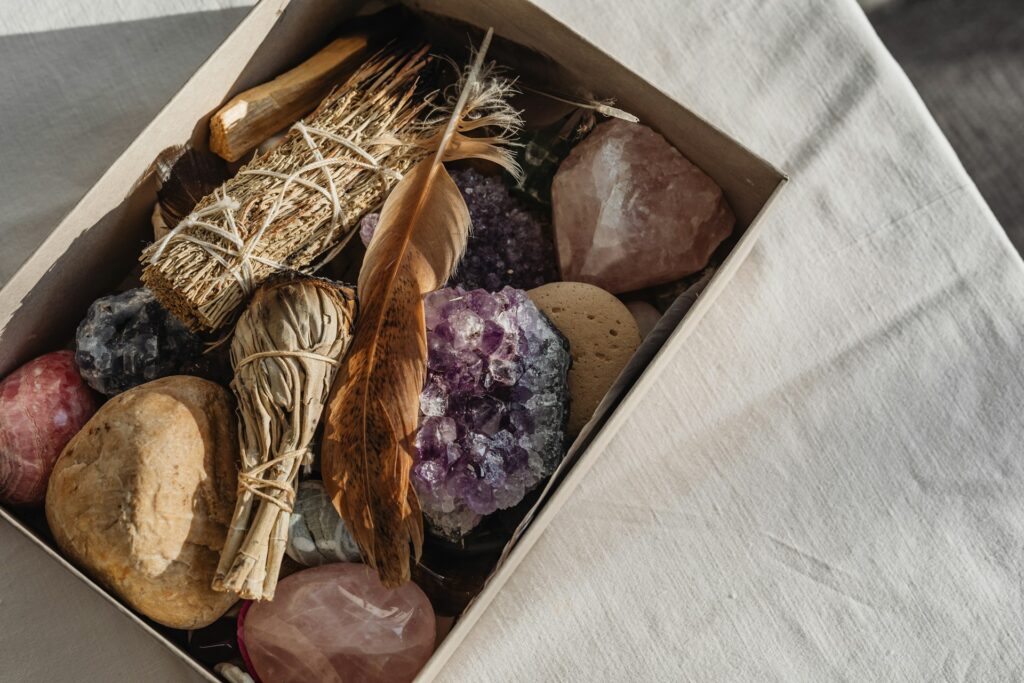
If you’re looking for a way to cultivate a more thankful mindset, you might consider incorporating crystals into your daily routine. Crystals have been used for centuries to promote healing, balance, and positivity, and there are many different types of crystals that can help you feel more grateful for the good things in your life. Some of the best crystals for gratitude include rose quartz, green aventurine, and citrine. Rose quartz is known as the stone of unconditional love, and it can help you see the world with more love and compassion. Green aventurine is believed to inspire a thankful heart and an abundant mindset, while citrine is said to promote emotional balance, clarity, and focus. These are just a few examples of the many different crystals that can help you feel more grateful and appreciative of the world around you. Whether you’re new to the world of crystals or you’re a seasoned practitioner, incorporating gratitude crystals into your daily routine can be a powerful way to cultivate a more positive outlook on life. From rose quartz to citrine, there are many different types of crystals that can help you feel more thankful for the blessings in your life. So why not give them a try and see how they can help you cultivate a more grateful mindset? Understanding Gratitude and Crystals The Concept of Gratitude Gratitude is a positive emotion that involves acknowledging and appreciating the good things in life. It is the act of being thankful for what you have, rather than focusing on what you lack. Practicing gratitude has been linked to numerous health benefits, including improved mental health, better sleep, and reduced stress levels. How Crystals Can Enhance Gratitude Crystals are believed to have healing properties and can be used to enhance various aspects of life, including gratitude. Each crystal has unique energy and can help you connect with different emotions and intentions. By using crystals, you can amplify your feelings of gratitude and attract more positivity into your life. Here are some of the best crystals for gratitude: Crystal Properties Citrine Known as the “stone of abundance,” citrine is believed to attract wealth, success, and happiness. It is also said to promote a positive outlook and enhance creativity. Rose Quartz The “stone of unconditional love,” rose quartz is believed to promote feelings of compassion, forgiveness, and gratitude. It is also said to help heal emotional wounds and promote self-love. Amethyst Amethyst is known for its calming properties and is believed to help reduce stress and anxiety. It is also said to promote emotional balance, clarity, and focus, making it an excellent crystal for enhancing gratitude. Green Aventurine Green aventurine is believed to inspire a full heart and a thankful mindset. It is said to shift you out of your head full of worries, doubt, and criticism, into your heart full of possibilities. By incorporating these crystals into your daily routine, you can enhance your feelings of gratitude and attract more positivity into your life. Whether you wear them as jewelry, carry them in your pocket, or place them around your home, these crystals can be a powerful tool for cultivating gratitude. Top Crystals for Fostering Gratitude If you’re looking for crystals to help you cultivate a grateful mindset, you’re in luck! There are many crystals that can help you focus on the positive aspects of your life and promote feelings of thankfulness. Here are some of the best crystals for gratitude: Rose Quartz Rose Quartz is known as the stone of unconditional love and is a popular choice for those looking to cultivate gratitude. This crystal can help you see the world with more compassion and love. It reminds you that every day is an opportunity to be thankful for the relationships in your life. Rose Quartz is a gentle reminder that love is abundant and can help you foster an everlasting gratitude for the simple abundance of being loved and the capacity to love in return. Citrine Citrine is a bright and sunny crystal that is often associated with abundance and prosperity. It is also a great crystal for gratitude. Citrine can help you focus on the positive aspects of your life and foster feelings of thankfulness. It is also known to help attract positive energy and good fortune into your life. By keeping Citrine close, you can cultivate a mindset of abundance and gratitude. Amethyst Amethyst is a popular crystal that is often associated with spiritual growth and healing. It is also a great crystal for gratitude. Amethyst can help you see the beauty and abundance in your life and remind you to be thankful for all that you have. It is also known to help calm the mind and reduce stress, which can help you focus on the positive aspects of your life. Clear Quartz Clear Quartz is often regarded as a master healer and amplifier of energies. It is also a valuable asset in cultivating gratitude. Its purifying properties help clear mental clutter, making space for positive emotions to thrive. By enhancing clarity of thought, Clear Quartz allows you to focus on the aspects of life that inspire gratitude. Green Aventurine Green Aventurine is a crystal that is often associated with luck and prosperity. It is also a great crystal for gratitude. Green Aventurine can help you focus on the abundance in your life and foster feelings of thankfulness. It is also known to help attract positive energy and good fortune into your life. By keeping Green Aventurine close, you can cultivate a mindset of abundance and gratitude. In summary, there are many crystals that can help you cultivate gratitude in your life. Whether you choose Rose Quartz, Citrine, Amethyst, Clear Quartz, or Green Aventurine, these crystals can help you focus on the positive aspects of your life and remind you to be thankful for all that you have. Incorporating Crystals into Daily Life If you want to cultivate an attitude of gratitude, incorporating crystals into your daily life can

Self-Love

How to Start Your Self-Love Journey: A Friendly Guide

Are you struggling to love yourself? Do you find it hard to accept who you are and feel like you’re always trying to be someone else? Starting a self-love journey can be challenging, but it’s an essential step towards living a happier and more fulfilling life. Learning to love yourself is a process that involves accepting your strengths and weaknesses, being kind to yourself, and taking care of your physical and emotional needs. It’s about recognizing that you’re worthy of love and respect, and that you don’t need to change who you are to be accepted by others. In this article, we’ll explore some tips and strategies for starting your self-love journey. From practicing self-care to developing a positive mindset, we’ll cover everything you need to know to start loving yourself today. So, if you’re ready to take the first step towards a happier, healthier life, keep reading! Understanding Self-Love Defining Self-Love Self-love is a term that is often used, but not always well understood. At its core, self-love is about accepting and valuing yourself for who you are, flaws and all. It is about treating yourself with kindness, compassion, and respect, just as you would a good friend. Self-love means recognizing your own worth and believing that you are deserving of happiness, love, and fulfillment. The Importance of Self-Love Self-love is essential for your overall well-being. When you love and accept yourself, you are better equipped to handle life’s challenges and setbacks. You are more resilient, more confident, and more able to bounce back from difficult situations. Self-love also helps you to make better choices for yourself, and to set healthy boundaries in your relationships. Without self-love, it can be easy to fall into patterns of self-doubt, self-criticism, and negative self-talk. These patterns can lead to anxiety, depression, and other mental health issues. By practicing self-love, you can learn to quiet that critical voice in your head and replace it with a more positive, supportive one. In short, self-love is not a luxury – it is a necessity. It is the foundation upon which you build a happy, healthy, and fulfilling life. So, if you are ready to start your self-love journey, read on to learn more about how to get started. Practical Steps to Cultivate Self-Love If you’re struggling with self-love, know that it’s completely normal. It’s not easy to love yourself, but it’s worth the effort. Here are some practical steps you can take to cultivate self-love. Self-Care Routines One of the best ways to show yourself love is by taking care of your body and mind. Create self-care routines that work for you. This can include things like taking a relaxing bath, going for a walk, meditating, or doing yoga. Whatever it is that makes you feel good, make sure to schedule it into your day. Setting Boundaries Setting boundaries is an important part of self-love. It’s okay to say no to things that don’t serve you or make you happy. Learn to recognize when you need to say no and when you need to say yes. Remember that your time and energy are valuable, and it’s important to protect them. Forgiveness and Acceptance Forgiving yourself and accepting who you are is a crucial step in cultivating self-love. We all make mistakes, and it’s important to learn from them and move on. Don’t be too hard on yourself. Instead, practice self-compassion and kindness. Treat yourself the way you would treat a good friend. By incorporating these practical steps into your life, you can begin to cultivate self-love. Remember, it’s a journey, not a destination. Be patient with yourself and celebrate your progress along the way. Overcoming Challenges Starting a self-love journey can be challenging, but it’s worth it in the end. Here are some common challenges you may face and how to overcome them. Dealing with Negative Self-Talk Negative self-talk can be a major obstacle in your self-love journey. It’s easy to fall into the trap of criticizing yourself and focusing on your flaws. However, this kind of thinking can be damaging to your self-esteem and prevent you from making progress. One way to overcome negative self-talk is to practice positive affirmations. This involves repeating positive statements to yourself, such as “I am worthy” or “I am enough.” You can also try reframing negative thoughts into positive ones. For example, instead of thinking “I’m not good enough,” try thinking “I’m doing the best I can.” Embracing Imperfection Another challenge you may face is learning to embrace your imperfections. It’s easy to get caught up in trying to be perfect, but this can be exhausting and unrealistic. Remember that no one is perfect, and it’s okay to make mistakes. One way to embrace imperfection is to practice self-compassion. This involves treating yourself with kindness and understanding, just as you would a good friend. You can also try setting realistic goals for yourself and celebrating small victories along the way. Remember, starting a self-love journey is a process, and it won’t happen overnight. Be patient with yourself and keep working towards your goals. With time and practice, you can overcome these challenges and learn to love yourself more fully. Maintaining Your Self-Love Journey Congratulations! You’ve taken the first step towards loving yourself and started your self-love journey. But, self-love is an ongoing process that requires continuous effort and dedication. In this section, we’ll discuss some tips to help you maintain your self-love journey. Continued Learning One of the best ways to maintain your self-love journey is by continuing to learn about yourself. Keep exploring your values, beliefs, and passions. Take courses or read books that help you grow and develop as a person. Learning new things can help you gain a deeper understanding of yourself and build your confidence. Regular Self-Reflection Self-reflection is an essential part of maintaining your self-love journey. Take time to reflect on your progress regularly. Think about what you’ve accomplished, what you’re proud of, and what you still need to work on. Regular

Scroll to Top